

What We Do

Care that fits the person, not a package.

Most agencies hand you a tier. Bronze, silver, gold, pick one. It is easier to sell that way, but it has almost nothing to do with what any particular person actually needs.

We start the other direction. We visit the home, we talk to your loved one and to you, and we build a written plan around the real situation. Someone recovering from a hip replacement needs something completely different from someone in the early stages of dementia, and both of those change over time.

Below is everything we provide. Most families start with two or three of these and add more as things shift. Nothing here is locked in.

A caregiver walking a senior woman in a wheelchair across a sunlit field at golden hour
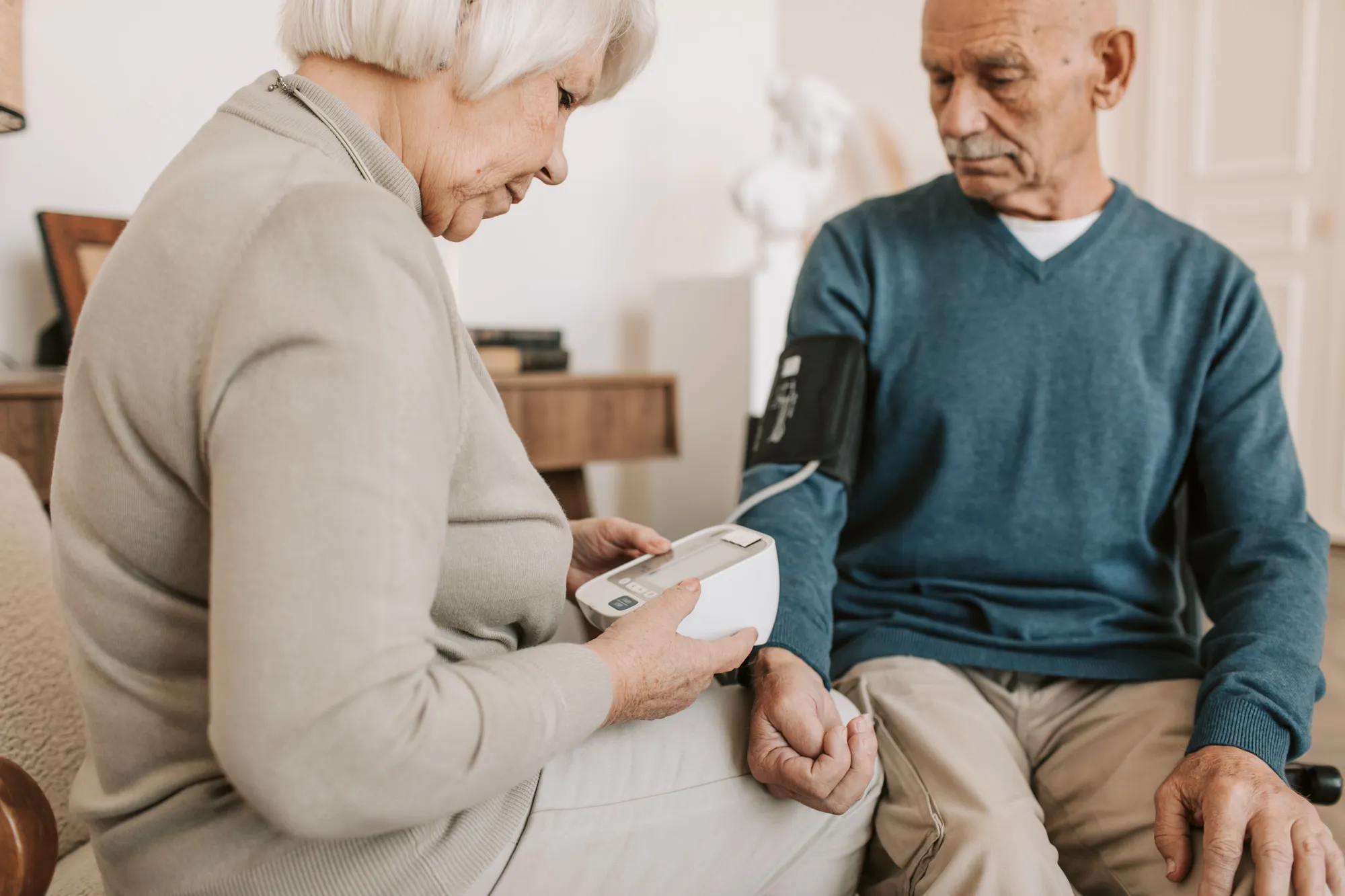
A caregiver checking a senior man's blood pressure at home and recording the reading

Care Planning and Advocacy

This is the part most agencies do not do at all, and it is the reason many families call us in the first place.

An aide showing up is only half of what a family needs. The other half is the appointments, the specialists who do not talk to each other, the prescription that changed and nobody explained why, and the insurance company that puts you on hold for forty minutes and then transfers you.

We take that on.

We build a written care plan and keep it current. We go to medical appointments and ask the questions families do not think to ask until the drive home. We follow up on referrals that would otherwise sit for weeks. We handle the calls, the forms, and the coordination between providers, and we tell you what actually happened in plain language.

Marvalyn spent twenty five years doing exactly this for her own parents before she did it professionally. That is where the standard comes from.

A caregiver's hands gently holding a senior's hand

Daily Living Support

The everyday things that get harder, handled in a way that protects your loved one's dignity.

Personal care is the hardest conversation most families have. A parent who has been independent for eighty years does not want their daughter helping them shower, and the daughter does not want to be the one asking. That resistance is normal and we expect it.

Our approach is to start where the person is comfortable and build from there. Sometimes that means a caregiver spends the first two weeks doing laundry and making lunch before personal care ever comes up. Trust first, tasks second. It takes a little longer and it works far better than pushing.

The home itself matters too. Clutter on the stairs, a bathroom without a grab bar, a loose rug in a hallway. Falls are the single biggest threat to someone staying at home, and most of what causes them is fixable in an afternoon.

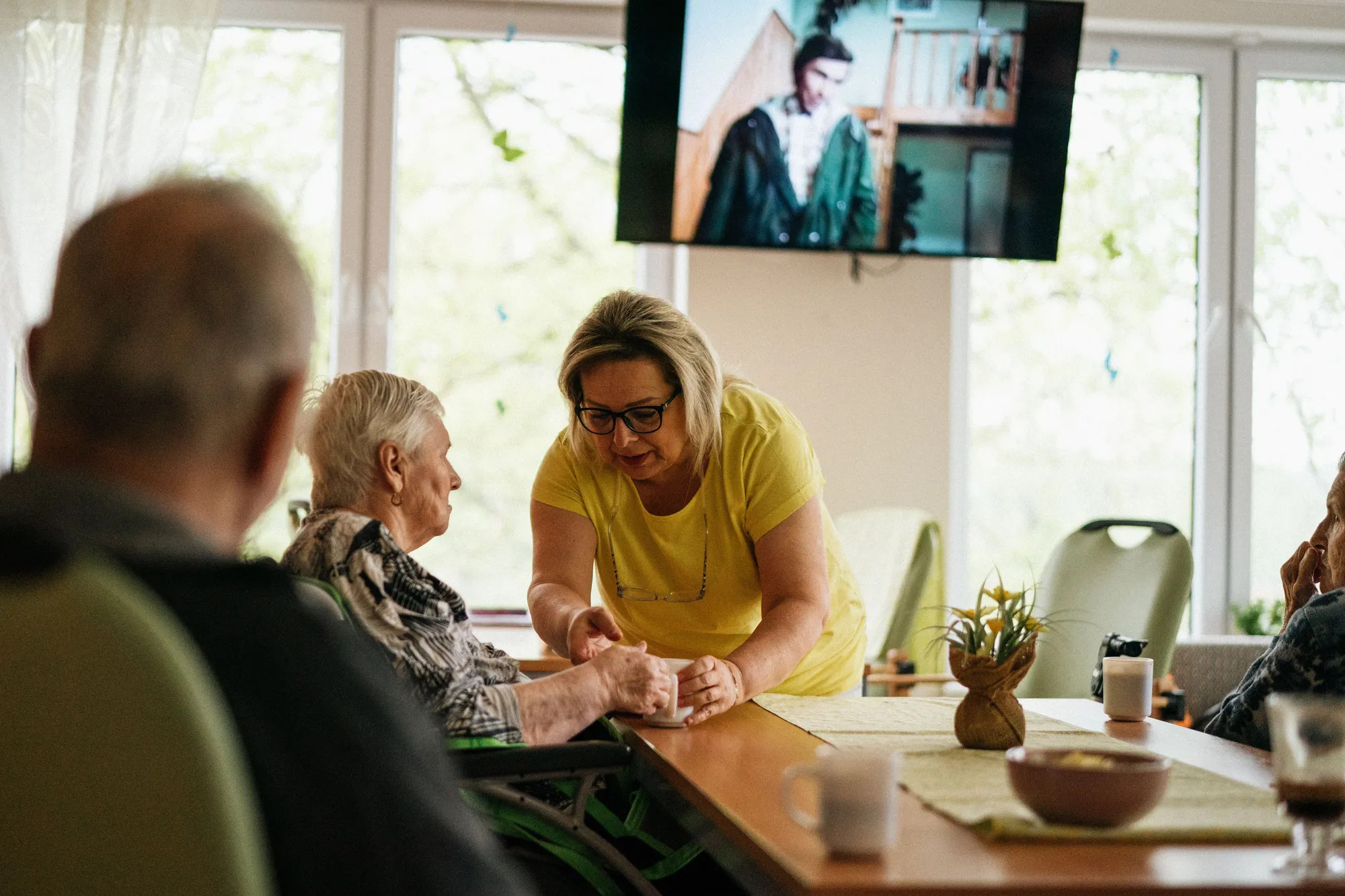
A caregiver sharing time with seniors around a table at home

Meals, Nutrition, and Wellness

Nutrition is where decline usually starts, and it is one of the easiest things to catch early.

When someone lives alone, cooking stops being worth the effort. Appetite fades. Meals turn into toast and coffee, then just coffee. Dehydration follows, and dehydration in an older adult can look like confusion, weakness, or a fall.

By the time a family notices, it has often been happening for months.

A caregiver in the home a few times a week changes that. Real food gets made. The fridge gets checked. Somebody notices that the milk expired two weeks ago or that the same casserole has been sitting untouched since Tuesday. Those small observations are early warning signs, and they get reported back to you.

Eating with someone matters too. People eat more, and better, when they are not eating alone.

A caregiver and a senior woman laughing together over a magazine at home

Transportation and Companionship

Isolation is one of the biggest risks to senior health, and one of the easiest to solve.

Giving up the car keys is one of the hardest transitions a person goes through. It is not really about driving. It is about the grocery store, the hair appointment, church on Sunday, and lunch with the same three friends they have had for forty years. When the driving stops, all of that quietly stops with it.

We put the world back within reach. A caregiver drives them there, goes in with them if that helps, and brings them home.

The companionship side is not filler. Loneliness carries measurable health consequences in older adults, and a standing visit from someone who knows their stories and remembers to ask about the grandkids does real work. Some of our most valuable hours are spent on a porch talking about nothing in particular.

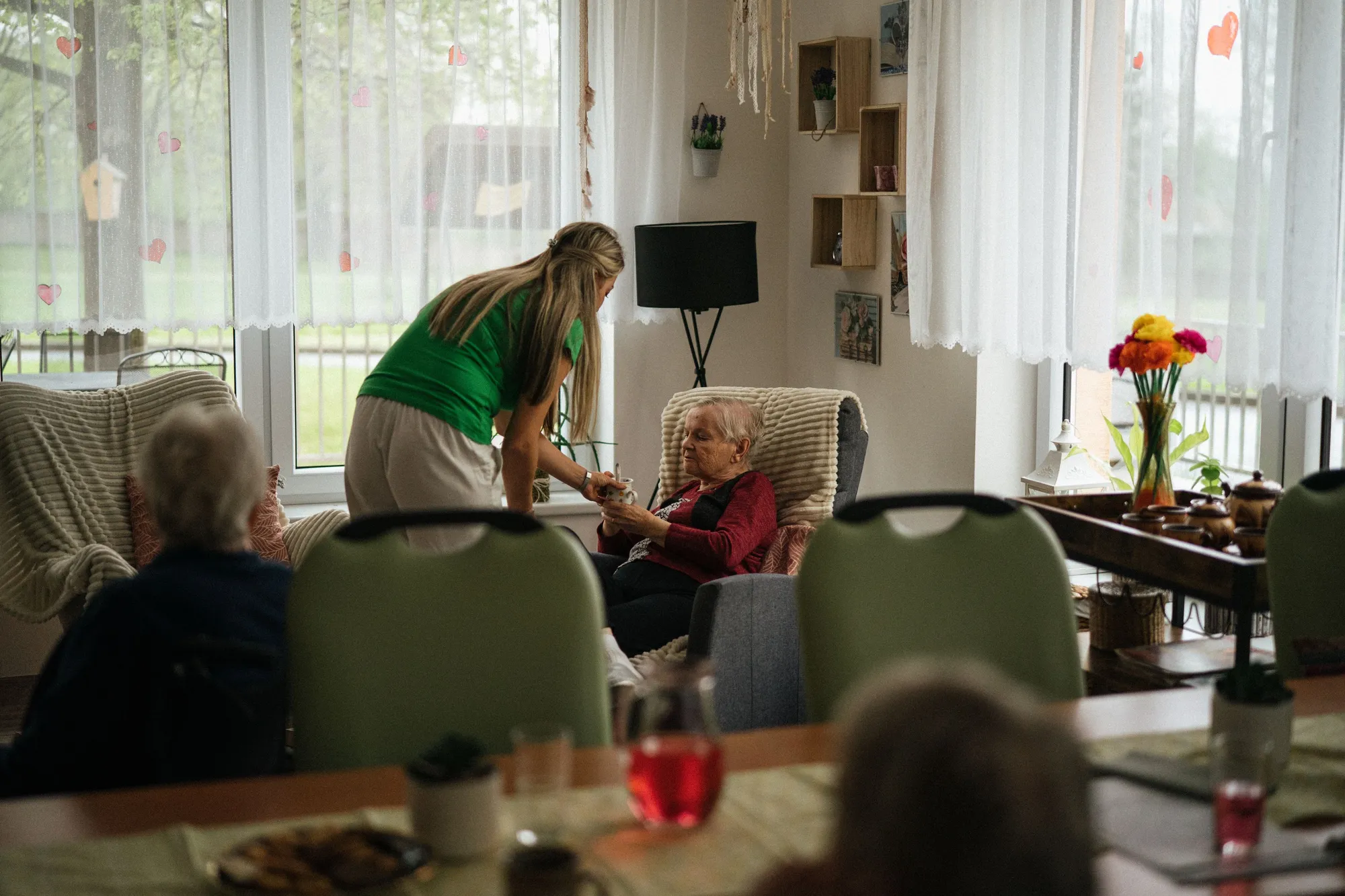
A caregiver bringing tea to a senior woman resting comfortably in an armchair

Respite and Specialized Care

Caring for someone else should not cost you your own health.

Family caregivers are the ones we worry about most. They skip their own doctor appointments. They stop seeing friends. They tell themselves they will rest once things settle down, and things do not settle down.

Respite is coverage so you can step away and not spend the whole time worrying. A few hours a week to get to the gym or have dinner out. A full week so you can take the vacation you canceled two years ago. Ongoing coverage so you can go back to being a son or a daughter instead of a full-time aide.

We also provide closer supervision for situations that need it. Early dementia, where routine and familiarity matter more than anything. Recovery after a surgery or a hospital stay. A parent whose balance is not what it was and who should not be alone for long stretches.

Two caregivers settling a senior man comfortably into bed

Overnight and Live-In Care

For families worried about the hours nobody is watching.

Most of what families fear happens at night. The three in the morning bathroom trip in the dark. Sundowning that gets worse after dinner. A parent who wakes up disoriented, or who gets up and goes outside and nobody knows for hours.

If you are the one lying awake at home listening for your phone, you already know what this costs you.

There are two ways we cover nights, and the right one depends on the person.

Awake overnight
means a caregiver stays awake through the shift and is actively watching. This is the right fit when someone gets up frequently, wanders, or needs help getting to the bathroom safely.
Live-in
means a caregiver stays in the home with a designated sleeping arrangement, available if something happens. This works well when someone generally sleeps through but should not be alone in the house.

We will tell you honestly which one the situation calls for. Awake overnight is more coverage than many families need, and we would rather match it correctly than oversell it.

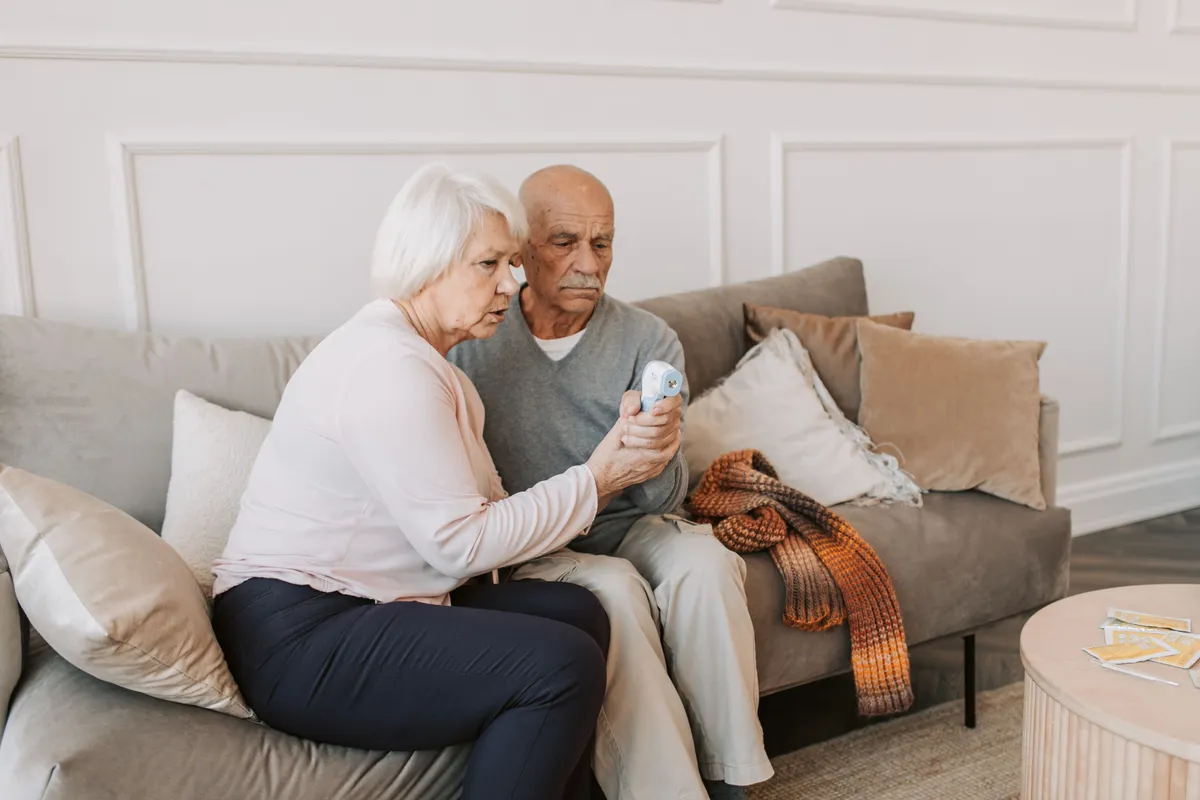
Senior woman taking a health reading for her partner at home
Senior woman resting her hands on her partner's shoulder as they smile at each other
Two older adults embracing, one smiling over the other's shoulder
Older couple outdoors together

How hours and scheduling work

Every plan is built around the actual week. Some families need four hours on a Tuesday and Thursday. Others need daily mornings, or full days, or somebody in the house around the clock.

Once we know the schedule, we match a caregiver and keep them consistent. That consistency matters more than most families expect. A person who has to explain their routine to a different face every week never really settles, and someone with memory changes may never settle at all.

Every client also gets a named backup caregiver who already knows the care plan, so vacations and sick days do not turn into a stranger at the door.

Schedules change, and that is normal. Recovery goes well and hours come down. A diagnosis changes and hours go up. We adjust the plan and the schedule with it. There is no long contract holding you to a level of care you no longer need.

Not sure what your family needs?

That is the most common place people start. Tell us what is going on and we will help you sort out what would actually help, even if that turns out to be less care than you expected. The conversation is free and there is nothing to sign.

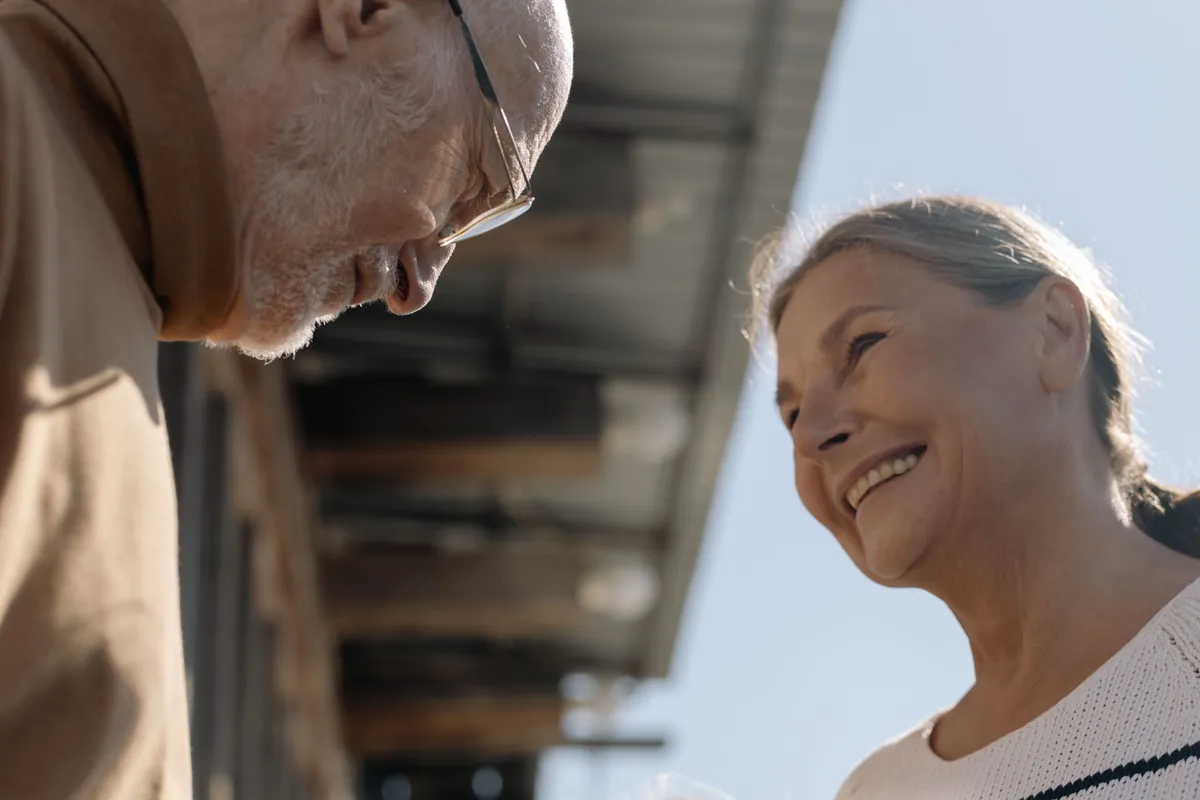
A senior man and a caregiver smiling at each other outdoors

Prefer to talk? Call 732-498-2960 or email quantumhomecares@yahoo.com.

Request a free consultation

Required.

We respond within one business day. Please leave out medical details — we will gather what we need when we speak.